Crafty's Half-Day Tour Companion
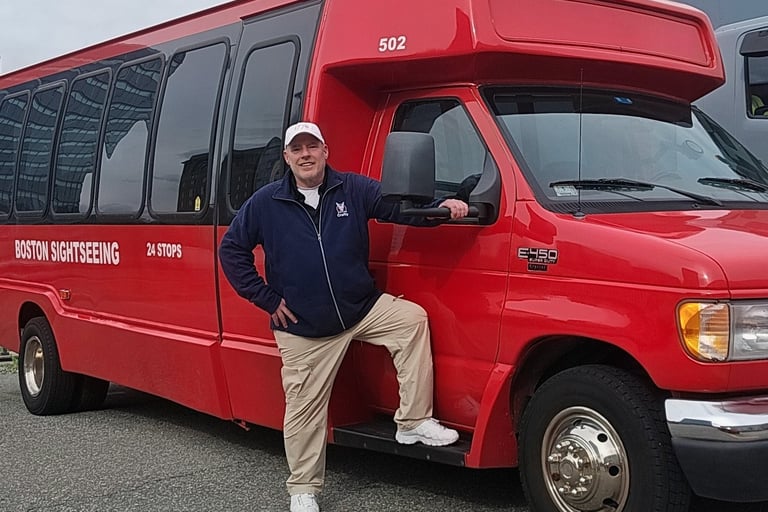
The following will most certainly be a work in progress! But my aim here is for something to enhance your time with me on my brand new, half-day picture tour of Boston & Cambridge. So first off, thank you for joining me!
Boston Public Garden & Copley Sq.
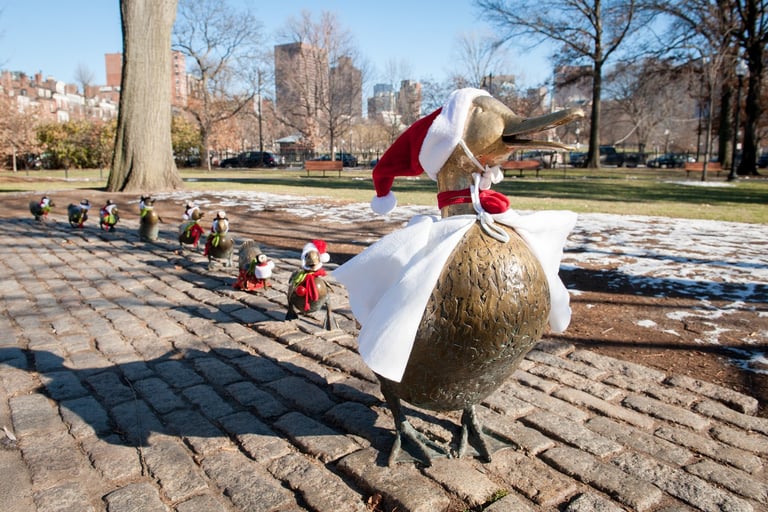
I don't always or even often mention the Make Way for Ducklings statue in the BPG. Mostly because it is hard to see from the street. It is located just inside the Garden at the corner of Beacon Street and Charles Street. Of course, inspired by the wonderful children's book of the same name, it may perhaps be Boston's most visited statue! What really quacks me up is I'm pretty sure there's a committee dedicated to costumes of Ma Mallard and her 8 baby ducks. Yeah, it's pretty cute. Go check em' out!
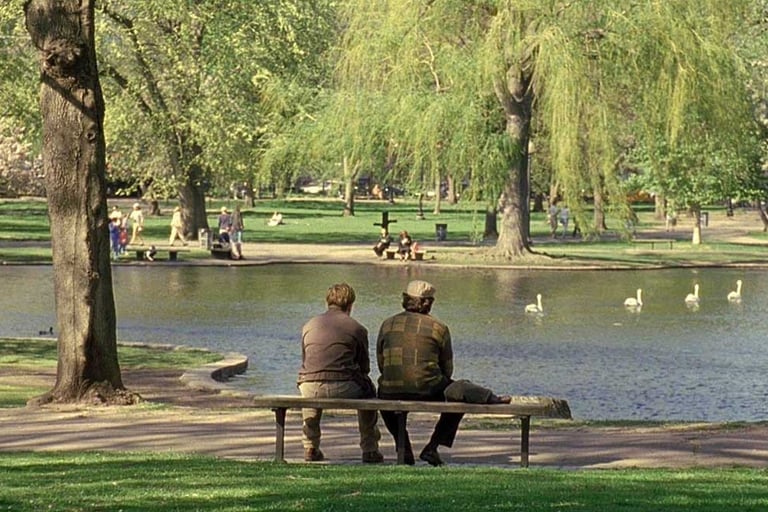
I do often mention the Good Will Hunting Bench, however. But I just thought it would be nice to have a pic from that amazing scene. It's been a couple years now but rumor had it that Matt Damon wanted to put a statue of Robin Williams here. Let's go, Matt. We're waiting! Regardless, you can go and put your fanny on that bench and take in all the splendor the Boston Public Garden has to offer.
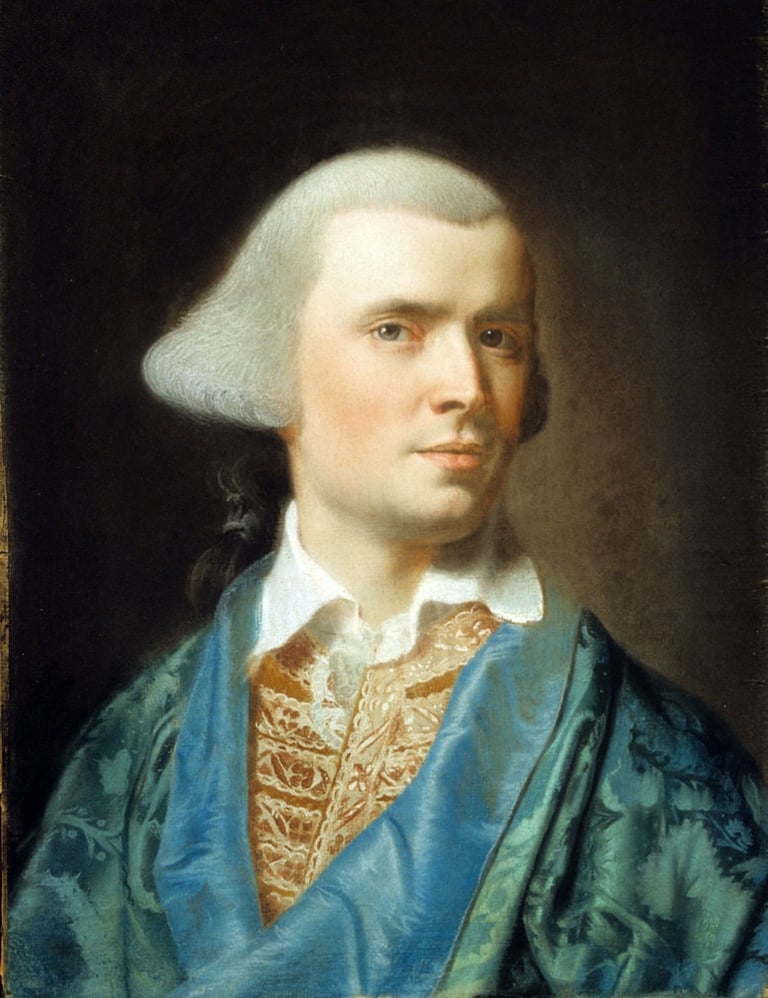
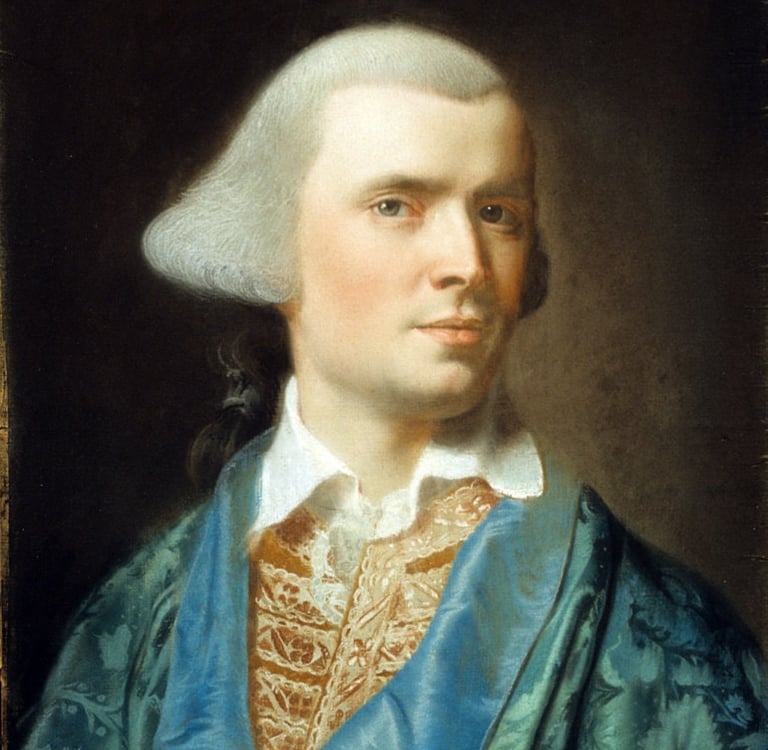
There's so much to cover in Copley Square but one thing I usually don't mention is, Copley himself. John Singleton Copley, that is (pictured above). He was a colonial-era portrait painter. Sorry, THE colonial-era portrait painter. Boston born and raised he quickly became the preeminent portraitist of all New England. He did, of course, have one very fatal flaw. He was.....a Tory! Yup, a loyalist to the crown, boooooo! He saw what was happening in his hometown and skedaddled to England in 1774. Just when things were getting good! He did leave behind some wonderful paintings, however, of the treasonous rebels such as, Revere, Hancock, Sam Adams and Joseph Warren. In a couple of cases, like, Paul Revere, it's the only known image. Another fun fact about him? He owned some of the land that our New State House sits on. Copley had built a mansion on the slope of Beacon Hill in 1768, but after leaving for England, he left his American affairs in the hands of an agent who sold it for $1,000 an acre in the early 1790s. Copley felt this was outrageously low. And when he learned the State House would be built there, dramatically increasing the land’s value, he refused to sign the deed and sent his son back to Boston to fight for a higher price, which he eventually got. I guess you would call that a vic-Tory:) You can find some of his work in the Museum of Fine Arts.